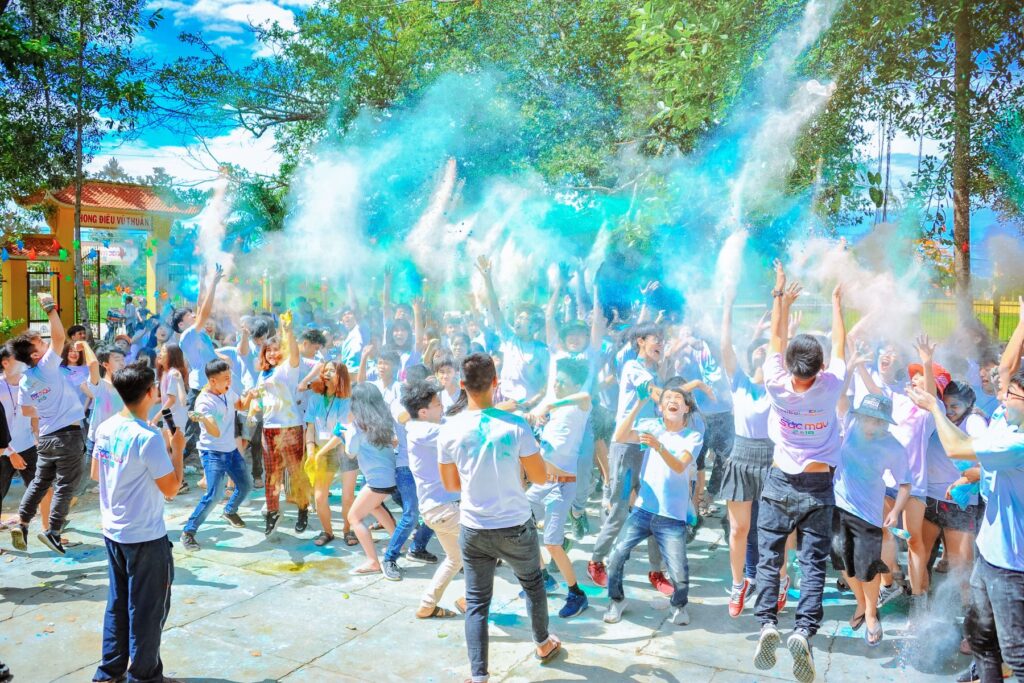
The Kuzugobe Festival is a cultural celebration that has become a symbol of unity and community cohesion through its focus on music, art, and shared experiences. This annual event brings together people from diverse backgrounds, offering them a chance to experience the richness of different cultural expressions while fostering a sense of belonging and collective identity. The festival’s roots in tradition and its embrace of contemporary creativity make it a dynamic force in strengthening community bonds. By focusing on the transformative power of music and art, the Kuzugobe Festival provides a platform where cultural diversity is celebrated, mutual understanding is encouraged, and connections are made that transcend geographic, ethnic, and social boundaries.
The Roots of Kuzugobe Festival
The Kuzugobe Festival takes its name from a local term or geographic location (depending on the region it is held), which connects the event to its community’s cultural heritage. The festival draws upon the historical practices and artistic traditions of the area, blending old customs with modern forms of expression. It has become an important feature of the cultural landscape, symbolizing a meeting point where the past and present converge to create something new, exciting, and forward-thinking.
One of the fundamental goals of the Kuzugobe Festival is to preserve and promote the indigenous and regional arts that are often at risk of being forgotten in an increasingly globalized world. The festival’s origins reflect this mission, with organizers striving to bring attention to the customs, crafts, music, and dance that have shaped the community’s identity for generations. These performances and displays are integral to the festival, as they not only honor the past but also offer the younger generations a chance to engage with their cultural roots.
The Role of Music in Building Community
Music is the heart and soul of the Kuzugobe Festival. It is through music that many people find common ground, whether they are familiar with the tunes or hearing them for the first time. The festival features an eclectic range of musical styles, from traditional folk songs to contemporary genres like jazz, rock, and electronic music. Each performance is an opportunity for both performers and audiences to share in the beauty of musical expression.
Music has an extraordinary ability to bring people together, and this is reflected in the Kuzugobe Festival’s inclusive approach. Artists from different parts of the world are invited to perform, creating a melting pot of musical traditions that appeal to a wide range of tastes. Audiences are encouraged to experience sounds from cultures and communities they may not otherwise encounter. This exposure fosters greater cultural understanding and appreciation, allowing individuals to expand their musical horizons and connect with others who share similar passions.
Live performances, often staged in open-air venues, encourage audience participation and interaction. There’s a palpable sense of excitement and energy, as music becomes a language that transcends words. Whether it’s through a rhythmic drum circle or a vibrant vocal performance, the musical experience encourages a sense of belonging to something bigger than oneself. The crowd often joins in, creating a spontaneous sense of unity that can be deeply moving and affirming.
Additionally, the festival’s music workshops and masterclasses offer opportunities for the community to learn and engage with music in an interactive way. These workshops cater to people of all ages and skill levels, encouraging both newcomers and seasoned musicians to explore their musical potential. This not only nurtures local talent but also fosters a sense of ownership and pride in the festival, as people feel personally connected to the creative processes taking place around them.
The Impact of Art on Community Engagement
Alongside music, visual art plays an equally significant role in the Kuzugobe Festival. Art installations, performances, and exhibits transform public spaces into vibrant canvases where the community can engage with the work on an emotional and intellectual level. These artistic expressions challenge traditional boundaries and encourage innovative thinking, sparking dialogue and reflection among viewers. Whether through interactive sculptures, public murals, or digital art projections, these artistic elements serve as conversation starters, creating a shared space where people can contemplate the deeper meanings behind the works.
For many attendees, the opportunity to engage with art on a personal level is one of the festival’s highlights. Art is inherently personal, and the festival’s exhibitions invite people to interpret the works in their own unique way. This freedom of expression is particularly important in a community setting, where people from diverse backgrounds come together to explore shared values, ideas, and visions. The inclusion of diverse artistic forms—from indigenous art to cutting-edge contemporary works—ensures that every participant sees themselves represented in some way, fostering a sense of inclusion and belonging.
Moreover, the Kuzugobe Festival often collaborates with local artists, providing them with a platform to showcase their work and gain exposure. This not only helps to sustain the local creative economy but also strengthens the connection between the arts and the community. Artists are seen as integral members of the social fabric, contributing to the cultural vitality of the region and enhancing the sense of community pride.
Creating Connections Through Shared Experiences
One of the most profound ways the Kuzugobe Festival brings communities together is through the shared experience of the event itself. People from all walks of life come together to celebrate their love for music and art, forging new friendships and connections in the process. The festival environment is welcoming and inclusive, with communal spaces that encourage interaction and collaboration. Whether it’s enjoying a meal at a food stall, watching a performance, or participating in a group activity, the shared experience of the festival fosters a collective spirit of joy, unity, and celebration.
For many, the Kuzugobe Festival becomes a significant annual event that they look forward to with anticipation. The continuity of the festival from year to year reinforces community ties and strengthens the bonds formed through past experiences. As a result, the festival helps to build a sense of tradition and cultural continuity, where individuals feel a sense of ownership and responsibility in keeping the spirit of the festival alive for future generations.
Conclusion
The Kuzugobe Festival serves as a powerful reminder of how music and art can transcend individual differences and unite communities in meaningful ways. Through its diverse range of musical performances, visual art exhibitions, and interactive workshops, the festival provides a platform for cultural expression, fostering mutual understanding and community solidarity. By celebrating both the past and the present, the Kuzugobe Festival contributes to the cultural vibrancy of the community, offering a space where people of all backgrounds can come together, share experiences, and create lasting memories. Ultimately, the festival is a testament to the ability of music and art to shape and strengthen the fabric of society, one note and one brushstroke at a time.