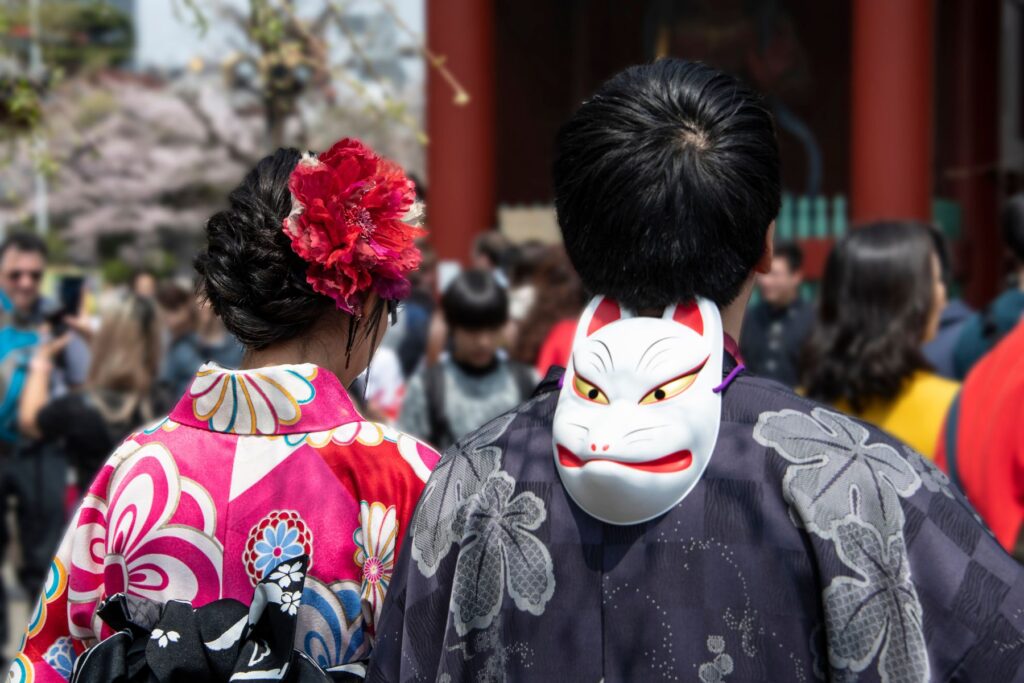
Kuzugobe is a festival that, while not widely known outside its local community, stands as a testament to the rich traditions, history, and cultural practices of the people who celebrate it. The festival, which takes place annually in a small village, offers a window into a vibrant and deeply rooted culture that blends ancient rituals with contemporary expressions of community life. The name “Kuzugobe,” in fact, evokes a mixture of sacred, historical, and social significance, encapsulating the heart of what it means to belong to this culture. Behind the scenes, the preparations and meaning of Kuzugobe reveal a complex, multifaceted tradition that plays a central role in the lives of those who partake in it.
The Origins and Historical Context of Kuzugobe
The origins of Kuzugobe are shrouded in myth and history. Some say that the festival dates back over a thousand years, possibly arising from ancient agricultural rituals that were meant to ensure the fertility of the land and the prosperity of the community. Originally, it was a harvest festival designed to give thanks for the year’s bounty, while also honoring ancestral spirits believed to protect the land. Over time, Kuzugobe evolved, absorbing influences from neighboring regions and different historical periods, including local rites associated with Shintoism and Buddhism.
What makes Kuzugobe particularly significant is its focus on the cycle of life, death, and rebirth. The festival symbolizes the intimate relationship between the people and the land, emphasizing not only the abundance of the harvest but also the ancestral connections that are integral to the community’s sense of identity. Every year, during the festival, participants celebrate not just a bountiful harvest but a reminder of their place in a long line of generations that have come before them. In this sense, Kuzugobe is both a celebration of life and a reverence for the continuity of tradition.
The Rituals and Preparations: An Inside Look
The behind-the-scenes activities that lead up to Kuzugobe provide insight into the meticulous planning and community spirit that define the festival. Preparations begin weeks before the event, as various factions of the community come together to prepare the essential offerings, decorations, and rituals that form the backbone of the celebration.
A key feature of the festival is the ceremonial procession, which involves the entire village. The villagers spend days crafting traditional costumes made from natural materials such as bamboo, silk, and cotton. These costumes represent different elements of nature—water, earth, fire, and air—and are worn by the participants to embody these forces during the rituals. The costume-making process is an event in itself, often involving generations of families working together, passing down the craft of garment construction, dyeing, and embroidery. These garments are not only beautiful but serve as a physical manifestation of the bond between the people and the forces of nature they seek to honor.
Equally important is the preparation of food offerings. Kuzugobe is a time of feasting, and the community works together to prepare a wide array of dishes that represent the bounty of the harvest. Local ingredients—such as rice, vegetables, fish, and wild herbs—are harvested specifically for the occasion. Traditional cooking methods are employed, and much of the food is prepared using techniques passed down through generations. The cooking process is an important ritual in itself, symbolizing the connection between the physical nourishment provided by the earth and the spiritual sustenance received through the worship of deities and ancestors.
Another significant element behind the scenes is the creation of the sacred space for the festival. In preparation for Kuzugobe, the main ceremonial grounds are cleaned and decorated with intricate symbols and banners that represent different elements of the community’s spiritual life. Sacred altars are erected, and offerings of fruits, rice cakes, and incense are placed on these altars as acts of reverence. Throughout the day, there is a continuous cycle of rituals where participants offer prayers, perform dances, and engage in chants. These sacred rituals are carefully organized by local spiritual leaders who have been trained in the ancient practices specific to Kuzugobe.
The Role of Music, Dance, and Performance
One of the most striking elements of Kuzugobe is the role of music and dance. Behind the scenes, the community’s musicians, dancers, and performers prepare months in advance for their roles in the festival. Kuzugobe features traditional dances, often performed in groups, that are passed down through generations. These dances are not merely artistic expressions but are considered forms of communication with the spirit world. The movements, often slow and deliberate, symbolize the rhythms of nature and the cycles of life. The dances are accompanied by music made with traditional instruments such as drums, flutes, and stringed instruments. The combination of music and dance creates a profound sense of unity among the participants, reinforcing the connection between people, nature, and the divine.
The performances are more than just entertainment; they are integral to the spiritual function of the festival. The rituals performed in music and movement are meant to invite the spirits of ancestors and gods to join the celebration, ensuring blessings for the coming year. The costumes worn by the dancers also play a role in the spiritual aspect of the event. As the dancers don elaborate masks and garments, they are believed to take on the spirits of the natural elements, embodying the forces of the earth that sustain life.
Community and the Importance of Kuzugobe
While Kuzugobe is a festival that connects the people to their ancestors, it is also a vital expression of community life. In a world where traditions often seem to be fading in the face of modernization, Kuzugobe is a reminder of the power of shared cultural experiences. The festival fosters a deep sense of belonging, not just to the land but to one another. Through the collective efforts involved in preparing for and participating in the festival, the community strengthens its social fabric and reaffirms its commitment to preserving its traditions.
For the younger generation, Kuzugobe serves as a powerful reminder of their heritage. The involvement of children and young adults in the preparation and execution of the festival ensures that its significance is passed on, keeping the culture alive for future generations. In this way, Kuzugobe is not just a reflection of the past but a living tradition that continues to grow and evolve.
Conclusion: A Celebration of Life and Tradition
Behind the scenes of Kuzugobe lies a rich tapestry of history, culture, and community. The festival is not just a ceremonial event; it is an embodiment of the connection between the people, their ancestors, and the natural world. From the meticulous preparation of offerings and costumes to the performances that honor the spirits, every aspect of Kuzugobe reinforces the importance of continuity, respect, and unity. As a cultural landmark, Kuzugobe continues to thrive, serving as a bridge between past and present, and reminding all who participate of the deep ties that bind them to their heritage.