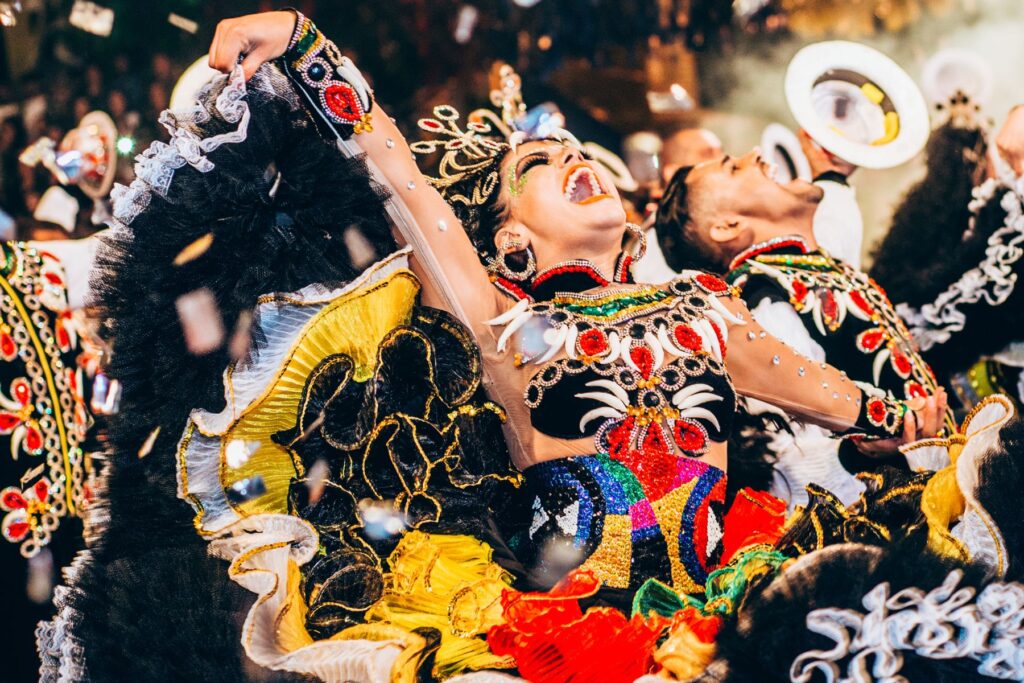
The Kuzugobe Festival is a vibrant celebration that showcases the rich traditions and cultural heritage of its community. Held annually, the festival is an important event that brings together people from all walks of life to celebrate their shared history, customs, and identity. It is a time to honor the past while embracing the future, and its festivities reflect a deep respect for the cultural roots of the people who participate. Through a combination of rituals, music, dance, food, and storytelling, the Kuzugobe Festival serves as a living testament to the endurance and vitality of local traditions.
Origins of the Kuzugobe Festival
The Kuzugobe Festival is deeply rooted in the history of the region, with origins dating back to centuries ago. While its exact founding remains a topic of historical debate, many believe that the festival began as a harvest celebration. In ancient times, local communities would gather to mark the end of a successful harvest season, giving thanks for the bounty and seeking blessings for the coming year. Over time, the festival expanded to include a broader celebration of cultural identity, combining religious, agricultural, and social elements.
The name “Kuzugobe” itself is derived from a combination of ancient words that signify “unity” and “renewal,” concepts that are central to the spirit of the festival. The festival was originally designed as a way to bring people together after the hardships of the harvest season and to reaffirm their communal ties. Today, it continues to be a symbol of unity, cooperation, and resilience.
Traditional Rituals and Ceremonies
One of the most striking aspects of the Kuzugobe Festival is its adherence to traditional rituals and ceremonies that have been passed down through generations. These rituals are an essential part of the festival, connecting participants with their ancestors and the natural world. They serve not only to honor those who came before but also to offer blessings and ensure the continued prosperity of the community.
The festival often opens with a solemn procession, where community members, led by local spiritual leaders, carry offerings to sacred sites. This procession is a reflection of the deep reverence for nature and the environment that has been a hallmark of the region’s cultural practices. These offerings usually include items such as fruit, grains, and flowers, all of which are symbolic of the earth’s bounty and the interconnectedness of life.
In addition to the processional rites, the Kuzugobe Festival includes various forms of prayer and meditation. These are conducted in community spaces, where people gather to give thanks for their blessings, reflect on the challenges they have overcome, and pray for the well-being of future generations. These ceremonies are characterized by chanting, the burning of incense, and the ringing of bells, creating a serene atmosphere of reflection and gratitude.
Music and Dance
Music and dance are integral components of the Kuzugobe Festival, providing an expressive and celebratory medium through which participants can connect with their heritage. Traditional instruments, such as drums, flutes, and stringed instruments, play a central role in the festival’s musical performances. These instruments have been passed down for generations, and their sounds evoke a sense of continuity and cultural pride.
The dances performed at the Kuzugobe Festival are equally important. They often tell stories of mythological figures, historical events, and everyday life, weaving together movements that reflect the rhythms of nature and human existence. These dances are typically performed in groups, with participants dressed in vibrant, traditional costumes. The costumes themselves are an expression of cultural identity, incorporating intricate patterns and colors that represent different family lineages, social roles, or regional affiliations.
Perhaps the most notable dance at the Kuzugobe Festival is the “Kuzuga,” a ceremonial dance that is believed to have originated centuries ago. Performed by an elder group of dancers, the Kuzuga symbolizes the connection between the spiritual and physical realms. Its movements are slow and deliberate, with the dancers often using symbolic gestures to convey messages of peace, harmony, and respect for the natural world.
Culinary Traditions
Food is another key element of the Kuzugobe Festival, with many families and local chefs coming together to prepare traditional dishes that reflect the agricultural heritage of the region. The festival’s culinary offerings are a celebration of the land’s bounty, featuring ingredients that are locally sourced and seasonally appropriate.
One of the festival’s most famous dishes is “Kuzugobe stew,” a hearty, slow-cooked meal made from a blend of vegetables, legumes, and meats that are indigenous to the region. This dish is often prepared in large communal pots, emphasizing the importance of sharing and cooperation. Other popular festival foods include roasted grains, pickled vegetables, and a variety of sweet treats made from local fruits and nuts.
In addition to these staple dishes, the Kuzugobe Festival also features a number of beverages that are prepared in traditional ways. These include fermented drinks made from fruits and grains, which are believed to have both nutritional and spiritual benefits. The act of sharing a drink during the festival is seen as a symbolic gesture of solidarity and unity.
Storytelling and Cultural Preservation
An important aspect of the Kuzugobe Festival is the preservation of oral traditions. Storytelling is a cherished practice at the festival, with elders passing down stories of the community’s history, legends, and wisdom. These stories often serve as moral lessons, teaching younger generations about the values of respect, responsibility, and the importance of community.
Throughout the festival, storytellers are invited to gather around bonfires or in community halls to recount tales that have been passed down for centuries. These stories, often infused with elements of folklore, mythology, and history, help to maintain a sense of continuity and identity within the community. In this way, the Kuzugobe Festival acts as a living archive of cultural knowledge, ensuring that the next generation will carry forward the lessons and traditions of their ancestors.
Conclusion
The Kuzugobe Festival is more than just a celebration of tradition—it is a living expression of cultural heritage that continues to evolve while maintaining a deep respect for the past. Through its rituals, music, dance, food, and storytelling, the festival provides a space for people to reconnect with their roots and celebrate their shared identity. It reminds participants of the importance of community, continuity, and cultural preservation, and serves as a powerful reminder of the ways in which tradition can be both a source of strength and a bridge to the future. By embracing its history and honoring its customs, the Kuzugobe Festival ensures that the spirit of the community will thrive for generations to come.